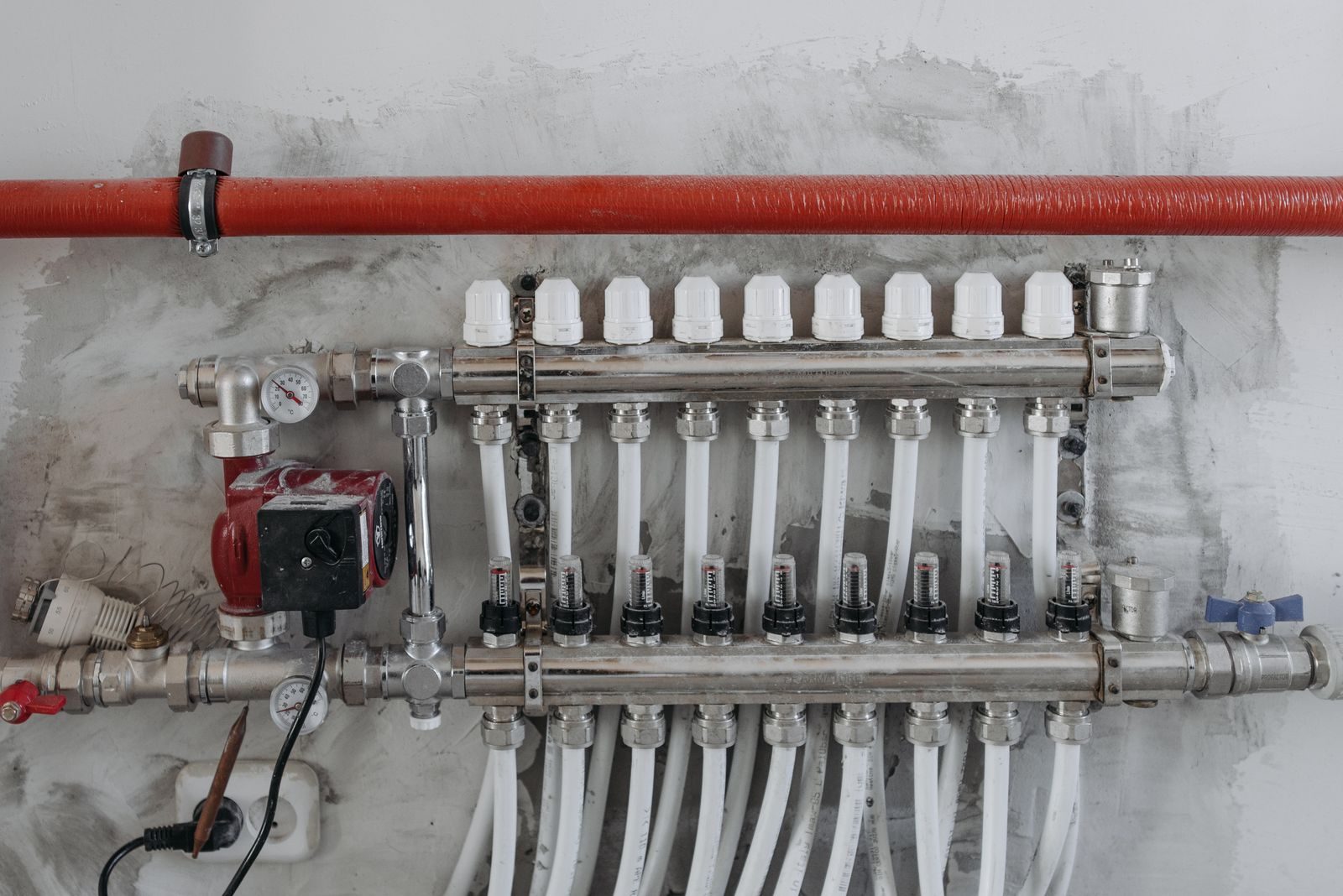
The City of Newport Beach's 2024 Water Quality Report puts average hardness at 160 ppm — about 9.4 grains per gallon (gpg), pH 8.5. That's moderately hard: enough to scale a tank over time, not enough to justify the oversized softeners some national companies sell by claiming the water here is 16–18 gpg. We size and set every water heater — tank or tankless — for the water that actually comes out of your tap, and we replace failed tanks same-visit in most cases.
Not every dead water heater needs replacing, and not every old one is worth saving. Here's how we decide — and how you can sanity-check any quote you get:
A standard tank lasts roughly 8–12 years in Newport Beach's water; tankless units run 15–20 with descaling. A 14-year-old tank with a leaking seam is done. A 5-year-old tank with a failed thermostat is a repair.
No hot water can be a thermostat, a heating element, a gas control valve, or a tripped high-limit — all repairs. Rust-colored water, a leaking tank seam, or a pilot that won't stay lit on a corroded burner usually means replacement.
At 9.4 gpg, sediment builds steadily in a tank and scales a tankless heat exchanger over years. A tank that's never been flushed in a decade may be half sediment. We flush and descale where it helps — and tell you when it won't.
Repair price and replacement price, side by side, in writing, before we start. If a repair costs more than half the replacement on a tank past its expected life, we'll say so and recommend replacement — your call, not a pressure pitch.
40–75 gallons, lower upfront cost, simple and proven. Best for households with steady, predictable hot-water use and a garage or utility space to spare. In Newport's 9.4 gpg water, annual flushing keeps sediment from eating efficiency and capacity.
Heats on demand, no standby loss, and frees a closet or garage corner — a real win in a Balboa Island cottage or Peninsula duplex where space is the constraint. But it needs proper gas sizing, venting, and regular descaling in hard water, or it scales up and short-cycles.
Two to three times more efficient than a standard electric tank, and they dehumidify the garage while they run. Worth considering in a larger Newport Coast or Dover Shores garage — not a fit for a tight closet, where they need airflow.
In a big Newport Coast home or a house that sits empty, the wait for hot water at the far bathroom wastes thousands of gallons a year. A recirculation pump (on a timer or demand control) delivers hot water fast and cuts the waste — and in an empty house, it pairs with an automatic shutoff valve for real protection.
One sizing warning: a tankless unit is only "endless" if it's sized for your home's simultaneous demand. A unit sized for a two-bath cottage will disappoint in a five-bath Newport Coast house when two showers and the dishwasher run together. We size by fixture count and simultaneous use, not by the smallest unit that fits the quote.
If the tank has already failed and water is running, shut off the water at the heater's cold-water valve (or the house main), turn off the gas or breaker to the unit, and call — a failed tank is an emergency plumber call, day or night.
Typical Newport Beach ranges, installed, with permit and haul-away where applicable. Your exact flat-rate quote is written and signed before work begins.
| Water heater job | Typical Newport Beach range |
|---|---|
| Water heater diagnostic / repair (thermostat, element, gas valve) | $195–$550 |
| Tank flush & anode rod check | $150–$300 |
| Standard tank replacement, installed | $1,800–$3,200 |
| Tankless installation (new unit, gas + venting) | $3,500–$6,500 |
| Tankless descaling service | $195–$350 |
| Recirculation pump installation | $650–$1,400 |
| Expansion tank / pressure regulator (often required at replacement) | $250–$550 |
Ranges are typical-market figures for planning, confirmed against the job in front of us before you commit. Permits and inspection are handled by us — California code requires them on replacement, and the paperwork matters at resale.
Household size, bathrooms, tubs, simultaneous use, gas line capacity, venting route. For tankless conversions we check gas meter and line sizing — an undersized gas line is the most common tankless regret.
Unit, installation, permit, haul-away, and any required extras (expansion tank, regulator, venting changes) itemized before we start. No "we'll see when we open it" billing.
Same-visit replacement in most cases for standard tanks. We set temperature, check the relief valve, and confirm the drain pan and discharge are right — especially in second homes and condos, where a leak hits neighbors.
We set the unit for Newport's 9.4 gpg water, explain the flush/descale schedule, and — if you want it — pair the install with a softener or filtration conversation based on your actual water, not a scare number.
Tight closets and cottages — tankless conversions are popular here, but gas sizing and venting make or break them. Salt air also ages exterior vents faster.
Small lots, small utility spaces, and many rentals — a failed tank in a rental can't wait for a return visit. Same-visit replacement matters most here.
Older beach blocks with original tanks and galvanized supply lines — a replacement often reveals a supply line that needs attention too.
1950s–60s slab homes where the water heater sits in a garage or a tight hall closet. Original tanks here are long past life — replacements are the most common call.
High finish standards and tight access; Flower Streets originals with tanks in closets that were never designed for a modern unit.
Large homes, big simultaneous demand, recirculation systems — and IRWD water territory, not City of Newport Beach, which changes backflow paperwork on related work. Gated access handled.
Gated island homes where a failed tank in a second home can flood for days unnoticed — pair replacement with a leak sensor and automatic shutoff.
A standard tank replacement, installed with permit, typically runs $1,800–$3,200 in Newport Beach. A tankless installation runs $3,500–$6,500 depending on gas and venting work. Repairs (thermostat, element, gas valve) are usually $195–$550. Every job is quoted in writing before work starts.
Tankless makes sense when you want endless hot water, lower standby energy use, or freed floor space — and when your gas line and venting can support it. It's a poor fit if the gas line is undersized, the venting route is impractical, or your household's simultaneous demand exceeds what the unit delivers. We size by fixture count and simultaneous use before recommending either way.
Newport Beach city water averages 160 ppm hardness — about 9.4 grains per gallon, pH 8.5, per the city's 2024 Water Quality Report. That's moderately hard: sediment builds in tanks and scale forms in tankless heat exchangers over years. Annual tank flushing and periodic tankless descaling keep efficiency up. Note that Newport Coast and Crystal Cove (92657) are served by IRWD, not the city — different water, different rules.
Standard tanks typically last 8–12 years here; tankless units 15–20 years with regular descaling. Hard water shortens both if maintenance is skipped. A tank past 10 years in a second home that sits empty is worth replacing on your schedule rather than after a leak.
Yes — California code requires a permit and inspection on water heater replacement, and the paperwork matters at resale. We handle the permit, the inspection scheduling, and the documentation. Any quote that skips the permit is skipping something your buyer's inspector will find later.
Shut off the cold-water valve at the heater (or the house main shutoff), turn off the gas supply or the breaker to the unit, and call us — a ruptured tank is an emergency call, day or night, because it keeps refilling itself while it floods. We'll shut it down, drain it safely, and replace it same-visit in most cases.
Tank or tankless, repair or replacement — quoted in writing, permitted, and set for Newport Beach's 9.4 gpg water. Serving every Newport Beach neighborhood.
☎ Call (949) 693-0223